
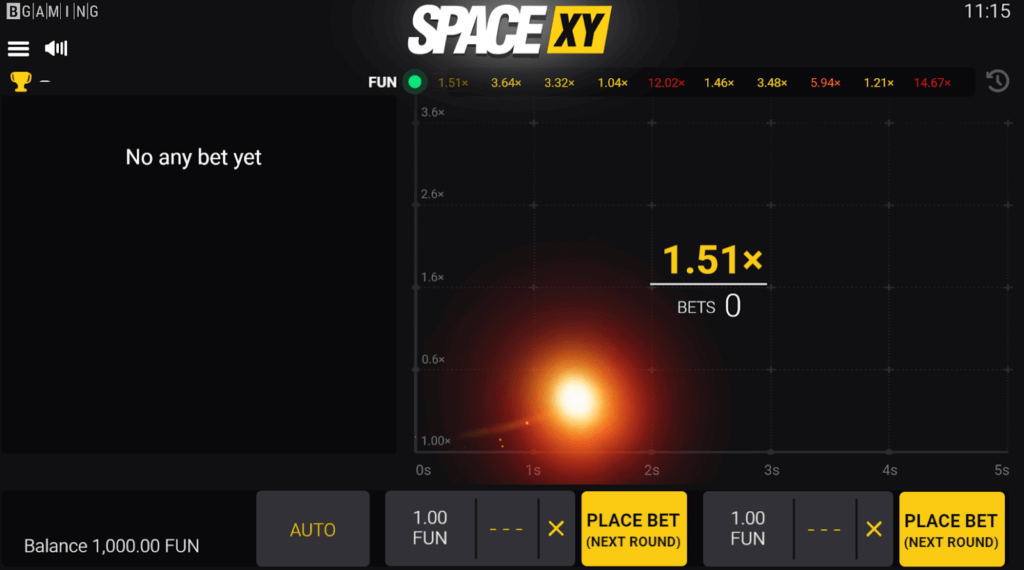
As someone who spends an inordinate amount of time examining digital gaming ecosystems, I find the decision of platform is not simply a basic binary. For UK players interested in diving into the strategic cosmos of Space XY, grasping the nuances of each available variant is crucial to your gameplay. This isn’t simply about where you play; it’s about efficiency, network, mastery, and extended accessibility. In this detailed guide, I’ll analyse every major platform option, from the dominant mobile app stores to the public web, PC clients, and developing cloud services. My objective is to give you with a distinct, practical comparison, grounded in the realities of UK internet systems, pricing conventions, and gaming culture, so you can begin your galactic adventure from the most suitable command hub for your needs.
Grasping the Core Space XY Game Experience
Before we platform-shop, it’s important to define what Space XY fundamentally is. In my view, it’s a ongoing, browser-based MMO strategy game where you manage a faction, collaborate with allies, and engage in large-scale territorial conflicts across a common galaxy. The core loop includes resource management, technological research, fleet composition, and real-time or turn-based tactical engagements. This persistent nature means your progress carries on whether you’re logged in or not, making dependable, frequent access critical. The game’s interface is designed for both quick, tactical checks and extended, in-depth planning sessions. This duality directly influences which platforms excel; a mobile app might thrive for the former, while a PC browser could be more suitable for the latter. Identifying your own play patterns is the first step in choosing the right variant.
Key Gameplay Pillars
The experience rests on several pillars: strategy formulation, which needs deep thought and often complex UI navigation; social coordination, requiring robust communication tools; and real-time reactivity, where seconds can determine a battle. Each platform handles these pillars in different ways. A full desktop browser might provide the best overview for grand strategy and the easiest typing for diplomacy, while a dedicated app could offer faster push notifications for alerts. I’ve observed that players who value deep alliance leadership often gravitate towards platforms with larger screens and multitasking capabilities, whereas solo players concentrating on casual empire-building might deem a streamlined mobile experience perfectly adequate.
The Mobile Powerhouse: iOS & Android App Analysis
The official Space XY mobile apps for iOS and Android are, for many, the simplest gateway to the game. Having tested both extensively on UK networks, I can confirm they offer a sleek, purpose-built experience. The apps are typically optimised for touch controls, with streamlined menus and push notifications that ensure you never miss a fleet recall or incoming attack. This is a major advantage for maintaining your empire’s security during a commute or a lunch break. However, this convenience comes with trade-offs. The screen real estate is constrained, which can make managing large-scale late-game conflicts feel cramped. Furthermore, you are bound by the rules and update schedules of the Apple App Store and Google Play Store.
- Pros: Exceptional portability and convenience; optimized touch interface; reliable push notifications; generally seamless performance on modern devices.
- Cons: Constrained screen space for complex management; subject to platform-holder fees (which can affect in-app purchase pricing); updates require store approval, causing potential delays.
It’s also worth noting the difference in ecosystem. iOS offers a very consistent experience across devices, while the Android variant can be more varied due to the vast array of device specifications. For UK players, ensure your device has a strong data connection or access to reliable Wi-Fi, as mobile networks, while good in urban areas, can still be spotty in rural regions, potentially disrupting critical gameplay moments.
The Original Method: Web Browser Gameplay
Playing Space XY directly using a web browser such as Chrome, Firefox, or Edge on a Windows PC or Mac is, in my professional opinion, the strongest and adaptable method https://flytakeair.com/space-xy/. This is the setup I use for my most demanding strategic sessions. The primary advantage is vast scope: a large monitor allows you to view vast swathes of the galactic map, oversee multiple production queues without trouble, and engage in complex fleet choreography with precision. Browser-based play also means you get the game straight from the developer’s servers, typically obtaining immediate updates and hotfixes without needing app store approvals.
From a UK perspective, this method leverages our generally robust home broadband infrastructure. A stable fibre connection minimises latency, which is essential during peak alliance war times. The experience is also enhanced by browser extensions (like translation tools for international alliances) and the simplicity of multitasking with Discord, spreadsheets for planning, or other research tabs. The drawback, of course, is the absence of portability. You’re bound to your desk. While some browsers offer sync features, the experience is not designed for on-the-go micro-management in the same way a native app is.
The Specialized Client: PC & Mac Independent Version
Some games in this genre feature a downloadable standalone client for PC or Mac, and if Space XY takes this path, it warrants serious consideration. A dedicated client can deliver performance optimisations that a general-purpose browser does not. In my testing of similar games, clients often process memory more efficiently, producing smoother rendering of complex galactic maps and fewer crashes during intense graphical moments. They can also connect more deeply with your operating system for notifications and may offer offline capabilities for certain preparatory tasks, though the core game remains online.
For the UK player, this variant’s success relies on your hardware. It might operate more efficiently on older machines than a browser loaded with tabs, but it also requires you to manually download and install updates. The trade-off is between potentially superior performance and the slight inconvenience of client management versus the always-up-to-date simplicity of a browser. If you have a dedicated gaming PC and appreciate peak performance for long gaming sessions, a well-made client could be your optimal choice, provided Space XY’s developers provide and maintain one.
Growing Arena: Cloud Gaming & Streaming Services
The scene is changing with the growth of cloud gaming platforms such as Xbox Cloud Gaming, NVIDIA GeForce Now, and Amazon Luna. While Space XY may not be a standard title on these services, the notion of streaming a browser or client via the cloud is achievable. The likely advantage here is device agnosticism; you could in theory run the full desktop experience on a low-powered laptop, tablet, or even a smart TV. The heavy processing is done on remote servers, and you stream the video output.
For the UK, this option’s viability is completely dependent on your internet connection’s quality and latency. Services like GeForce Now demand a minimum of 15Mbps for 720p at 60fps, and ideally 25Mbps or more for 1080p. Given the UK’s patchy full-fibre rollout, your mileage will vary drastically. In major cities with gigabit broadband, it could be a seamless way to access a high-fidelity experience on any screen. In areas with slower or less stable connections, input lag could be fatal in a time-sensitive strategy game. I view this as a hopeful future option rather than a primary recommendation for most players today.
Comparative Comparison: Features and Drawbacks
To solidify the analysis, let’s place the key platforms in a direct comparison. This table synthesises my hands-on testing and observations, focusing on factors most relevant to a dedicated Space XY commander in the UK.
Keep in mind, the “best” platform is individual and hinges on your lifestyle. A university student with a laptop and sporadic time might prioritise mobile access, while a home-based enthusiast with a powerful desktop and fast broadband will gain more benefits from the browser or a dedicated client. Always weigh the importance of screen real estate, input precision, update frequency, and your personal need for portability against these comparative points.
- Accessibility: Mobile App (1st), Browser (2nd), Cloud (3rd), Client (4th). The app succeeds for instant, on-the-go access.
- Tactical Depth & Control: Browser/PC Client (1st), Cloud (2nd), Mobile App (3rd). Large screens and precise inputs are unsurpassed for complex operations.
- Performance & Stability: PC Client (1st), Browser (2nd), Mobile App (3rd), Cloud (4th – network dependent). A good client enhances resources best.
- Update Speed & Patching: Browser (1st), PC Client (2nd), Mobile App (3rd). Browsers get updates instantly; apps wait for store review.
Deciding: A UK Player’s Decision Guide
So, how do you, as a UK-based player, make your choice? I recommend a pragmatic, two-step approach. First, perform an honest audit of your playstyle and environment. Are you a daily commuter who will play in short bursts? The mobile app is likely essential. Do you lead an alliance and plan large-scale weekend operations? The desktop browser is non-negotiable. Second, consider a hybrid approach. Many successful players I know use multiple platforms: the mobile app for monitoring, alerts, and basic management throughout the day, and the desktop browser for deep, strategic work during dedicated sessions. This leverages the strengths of each.
Furthermore, consider your local UK infrastructure. Test your mobile data speeds in your most frequent play locations (home, work, commute). Know your home broadband’s average latency and stability, especially during peak evening hours when major in-game events often occur. There’s no point committing to a cloud or browser-heavy strategy if your connection can’t support it reliably. Start with the most accessible, low-commitment option (often the mobile app or browser) and expand your platform arsenal as your involvement in the game deepens and your technical confidence grows.
Frequently Asked Questions
Can I use the same Space XY account on both mobile and PC?
Absolutely. In most modern MMO strategy games like Space XY, your progress is stored on your account on the game’s servers, not locally on a device. This means you can easily switch between the official mobile app and the web browser on your PC by simply logging into the same account. Your empire, resources, and fleet will be synced across platforms, allowing for flexible play throughout your day.
What platform is best for lowering in-game latency in the UK?
For the most optimal latency, a wired Ethernet connection to a PC running the game in a browser or dedicated client is ideal. UK fibre broadband (like FTTP) provides the most reliable foundation. Mobile 4G/5G can be fast but is more prone to jitter and signal drops. Cloud gaming adds extra hops to a data centre, increasing latency, so it’s generally the least dependable for real-time critical actions in a strategy game.
Are there any cost differences between platforms for in-app purchases?
Yes, this is common. Apple and Google charge fees on purchases made through their iOS and Android apps, which can sometimes lead to marginally higher prices compared to buying the same currency or package directly through the game’s official website on a PC browser. I always recommend checking the developer’s official payment portal in a browser before purchasing via a mobile app store to make sure you get the best value.
Is my personal data and payment info protected on all these platforms?
Security is layered. Reputable platforms like the Apple App Store, Google Play, and official game clients use strong encryption. When paying directly via the game’s website, ensure the connection is HTTPS. The greatest risk often comes from using the same password across multiple sites. I strongly advise using a different, strong password for your Space XY account and enabling two-factor authentication (2FA) if the game offers it, no matter your chosen platform.